
CISA Leadership Nomination Returns to the Senate as New OT Connectivity Guidance Lands

As business and regulatory pressures drive more connectivity into OT networks, consider zero trust access and micro-segmentation as approaches to narrow and condition access into OT and help reduce blast radius when an access path is misused.
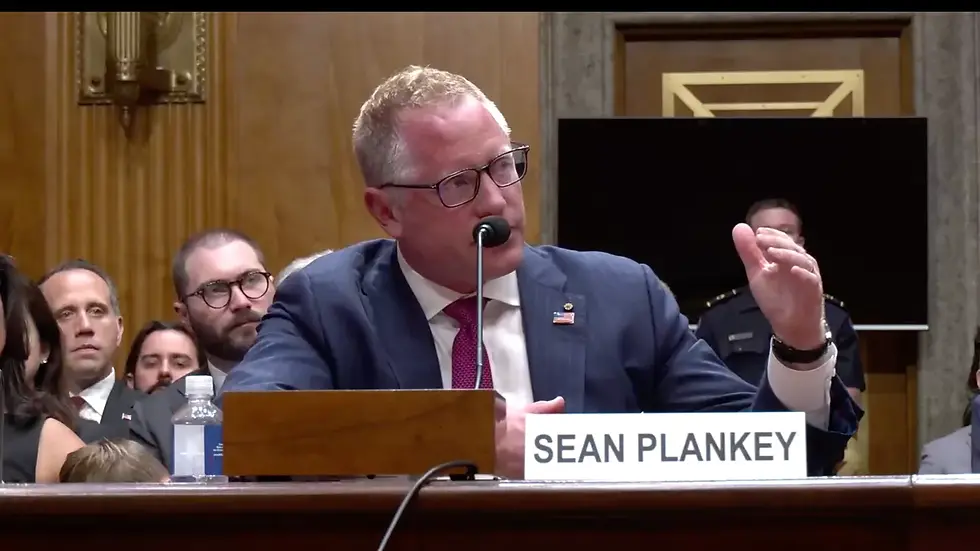
President Donald Trump re-nominated Sean Plankey to lead CISA, returning to a nomination that stalled and later expired after both Democratic and Republican senators placed holds on it. The article also reports CISA has spent about a year without a Senate-confirmed director and describes impacts including staff departures, faltered operations, and disrupted partnerships. Separately, CISA says it and the UK National Cyber Security Centre, in collaboration with federal and international partners, released Secure Connectivity Principles for Operational Technology guidance to help asset owners address increasing business and regulatory pressures for connectivity into OT networks and outlines eight principles as a framework to design, secure, and manage that connectivity into OT environments. Taken together, the reporting shows continuity in leadership matters and practical guidance for secure OT access remain pressing issues as organizations weigh how to enable OT connectivity while managing risk.

Trump Re-Nominates Sean Plankey for CISA Director After a Stalled 2025 Attempt
President Donald Trump has re-nominated Sean Plankey to lead CISA, returning to a nomination Trump first made in March 2025 that later stalled and expired after both Democratic and Republican senators placed holds on it. The article identifies Plankey as a former National Security Council and Energy Department cyber official who is currently serving as a senior adviser to the secretary of homeland security working on Coast Guard issues. It also reports CISA has gone about a year without a Senate-confirmed director and describes impacts on staff and operations while quoting cyber experts and business leaders who argue the agency needs stable leadership and predictable funding.
Access the full article here.
CISA and NCSC UK Publish Eight Principles to Secure OT Connectivity
CISA and the UK National Cyber Security Centre, working with federal and international partners, released Secure Connectivity Principles for Operational Technology guidance to help asset owners respond to increasing business and regulatory pressures for connectivity into OT networks. The guidance outlines eight principles meant to serve as a framework to design, secure, and manage connectivity into OT environments, and it notes the principles are particularly critical for operators of essential services. The page also invites feedback and lists the audience as industry. You can access the report by using the link included below.
Access the full article here.
Yisda Takeaways
The OT connectivity guidance underscores increasing business and regulatory pressures for connectivity into operational technology environments. Treat connectivity into OT as a design requirement rather than an afterthought, and use a repeatable framework each time new connectivity is requested. When additional connectivity is unavoidable, reduce the number of access paths and tighten access conditions so any single access decision has a smaller blast radius. To help scope and control access into OT, consider architectures that combine conditional access like zero trust network access with network microsegmentation. These can help narrow who or what can reach critical OT elements and limit the scope of any misuse.


Comments